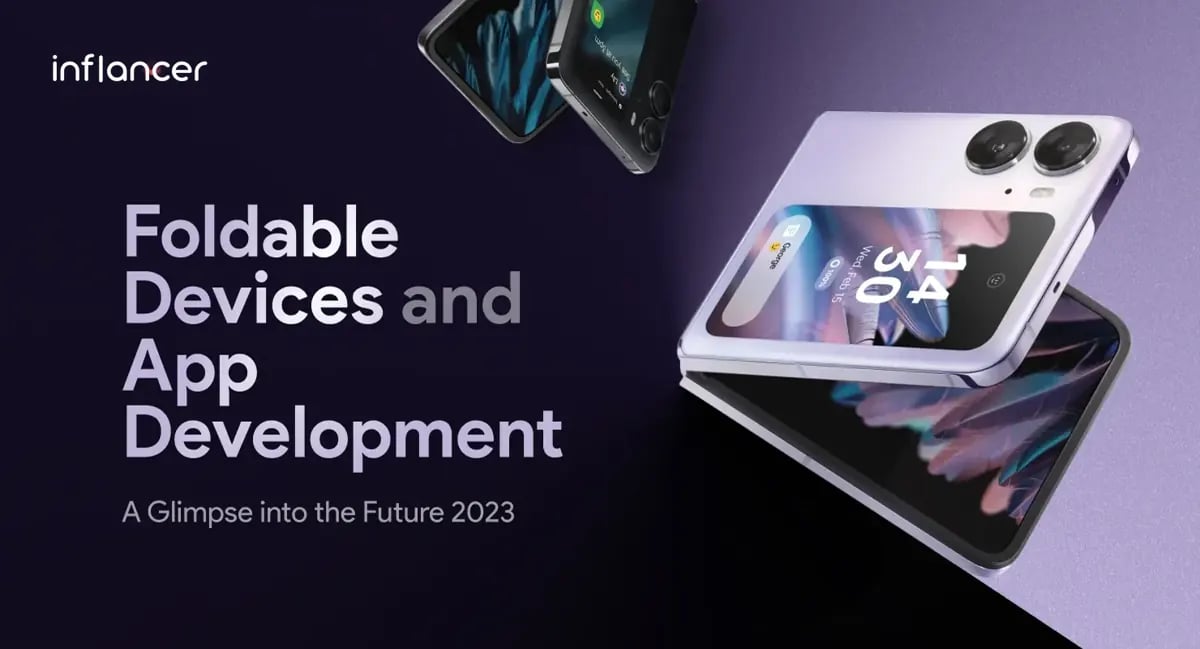
In recent years, the world of technology has witnessed ground-breaking advancements, one of which is the development of foldable devices. These innovative gadgets have captured the imagination of consumers and industry experts alike, offering a glimpse into the future of technology in 2023 and beyond.
According to Market Research Future, the global foldable devices market is projected to grow at a CAGR of 25% between 2023 and 2028. Statista predicts that the global shipment of foldable devices will reach 100 million units by 2023. Samsung has introduced the concept of App Continuity, allowing seamless transitions between screens. Tech giants like Samsung, Huawei, and Microsoft have heavily invested in foldable device technology. These statistics reflect the increasing consumer demand, signalling a shift towards a new era of mobile computing.
As 2023 approaches, the future of foldable devices and app development appears promising. With significant market growth and industry investment, app developers have an exciting opportunity to innovate and create apps that optimize the unique capabilities of foldable devices.
Before delving into the sections where we take a peek into the finer details of app development for foldable phones and offer insights into preparing your mobile app for these devices, let’s first examine their current status.
The Present State of Foldable Smartphones
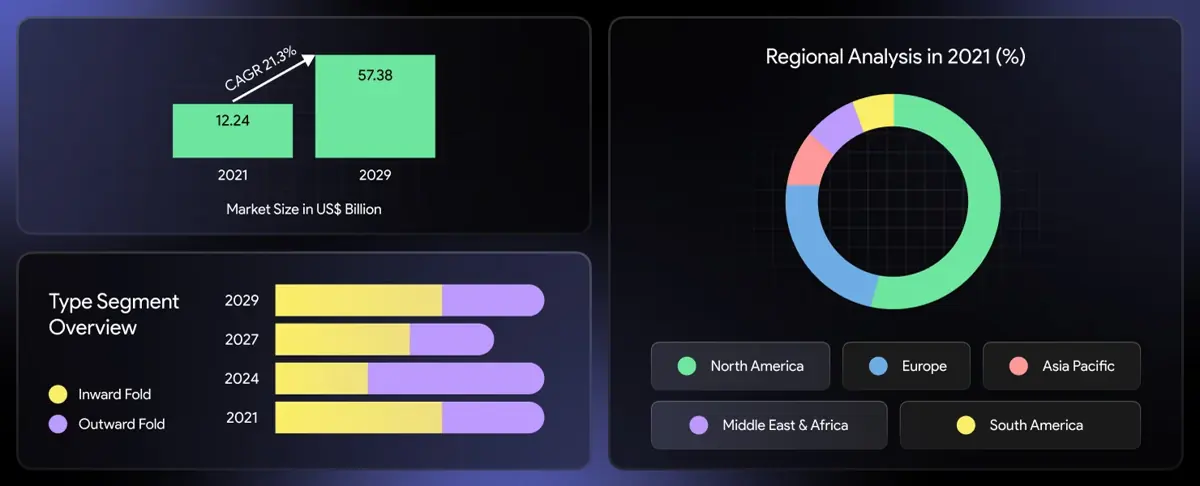
Here’s a visual overview that gives you a glimpse into the current landscape of foldable smartphones:
Market Analysis of Foldable Smartphones
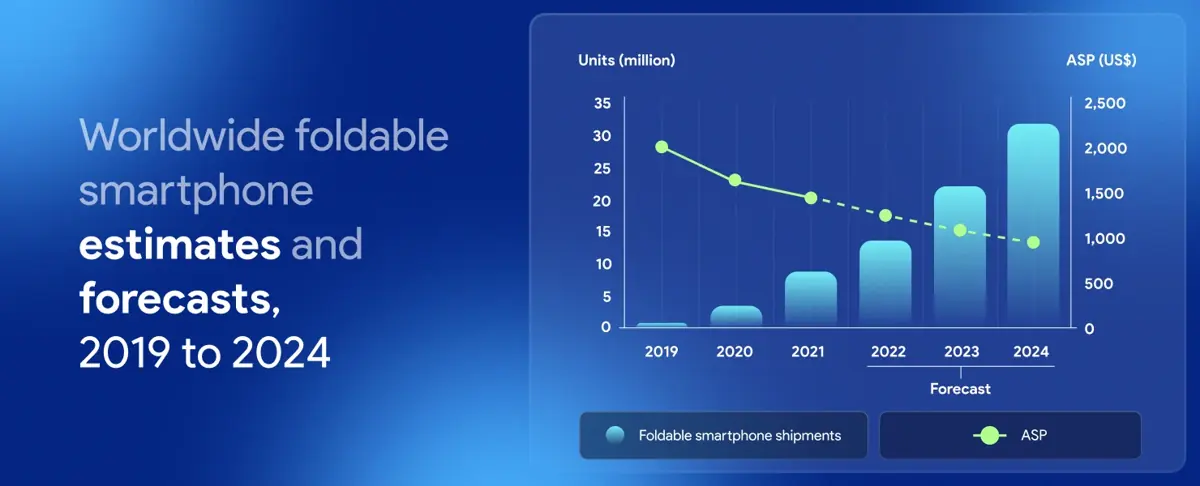
Foldable smartphone shipments to exceed 30 million in 2024
The data presented above indicate that foldable phones may not immediately gain widespread popularity once they enter the market. It will likely take some time for them to establish a significant presence in the smartphone sector. However, as with any technological disruption, the initial wave may be slow but it has the potential to grow exponentially over time.
As a result, both device manufacturers and Android app development companies will need to proactively prepare for this upcoming trend.
How are Foldable Devices Different from Regular Smartphones?
Foldable devices are different from regular smartphones in terms of their design and functionality. The key difference lies in their display, which can be folded or unfolded to change the form factor. Foldable devices typically have flexible OLED or AMOLED screens that can bend without damage.
One of the primary advantages of foldable devices is their ability to provide a larger screen when unfolded. This allows for a more immersive experience when watching videos, playing games, or multitasking. Foldable devices often offer a tablet-like experience in their unfolded state, with a larger display area compared to regular smartphones.
Another difference is the way foldable devices can adapt to different usage scenarios. For instance, some foldable devices have a “book” or “clamshell” design, where the screen can be folded inward like a traditional flip phone, making them more compact and pocket-friendly when closed. When unfolded, they provide a larger display area similar to a tablet.
Foldable devices also offer enhanced multitasking capabilities, allowing users to run multiple apps side by side on the extended screen. This feature can be particularly useful for productivity tasks such as editing documents, viewing multiple web pages simultaneously, or using multiple messaging apps simultaneously.
However, it’s important to note that foldable devices usually come at a higher price point compared to regular smartphones. They also tend to be bulkier and not as slim as traditional smartphones when folded, due to the additional hardware required for the folding mechanism.
Here’s a table outlining the primary technical distinctions between conventional smartphones and foldable smartphones:
| Aspects | Regular Smartphone | Foldable Device |
|---|---|---|
| Form Factor | Single, rigid display | Foldable display with hinges or folds |
| Screen Orientation | Fixed portrait/landscape | Dynamic |
| App Layout | Fixed layout design | Adaptive layout design |
| Multi-Windows | Limited Multitasking | Enhanced Multitasking |
| App Continuity | Limited cross-screen flow | Seamless cross-screen flow |
| UI Element | Standard UI components | Foldable optimized elements |
| Coding Consideration | Standard coding practices | Tailored coding for modes |
| Software Optimization | Limited software adaption | Software needs to support multi-layouts |
| Use Cases | Traditional smartphone functions | Enhanced multitasking and versatility |
How Will Foldable Phones Influence the App Development Process?
By 2025, estimates indicate a surge in the sale of approximately 50 million foldable active-matrix organic light-emitting diode (AMOLED) panels, showcasing the escalating demand for foldable technology. These innovative devices stand out in the tech landscape, delivering a versatile and immersive user experience unattainable by traditional smartphones or tablets.
Addressing these challenges, app development companies must invest in comprehensive research, testing, and optimization to ensure seamless functionality of various multi-window apps on foldable devices.
Let’s delve into the transformative changes and advantages that foldable devices introduce to app development:
- Expanded Screen Estate: The core concept behind foldable devices is to offer users an immersive experience through a larger screen. Foldable technology seamlessly transforms two screens into one expansive display.
- Compact Size: Foldable devices bridge the gap between compactness and screen size. Users no longer need to compromise between the two, as foldable smartphones seamlessly combine both features in a single device. These devices can offer double the screen real estate compared to traditional counterparts.
- Innovative Content: The additional screen space paves the way for innovative content creation. Creators can explore new content formats that fully utilize the expanded screen dimensions, enhancing user engagement.
- Enhanced Features: Traditional smartphones often have limitations in accommodating all required features due to their restricted screen size. Foldable devices enable the creation of multi-screen applications, empowering users with a plethora of features within a single display.
Technical Preparations for Developing Apps for Foldable Smartphones
When embarking on app design for foldable devices, there are five critical aspects to consider:
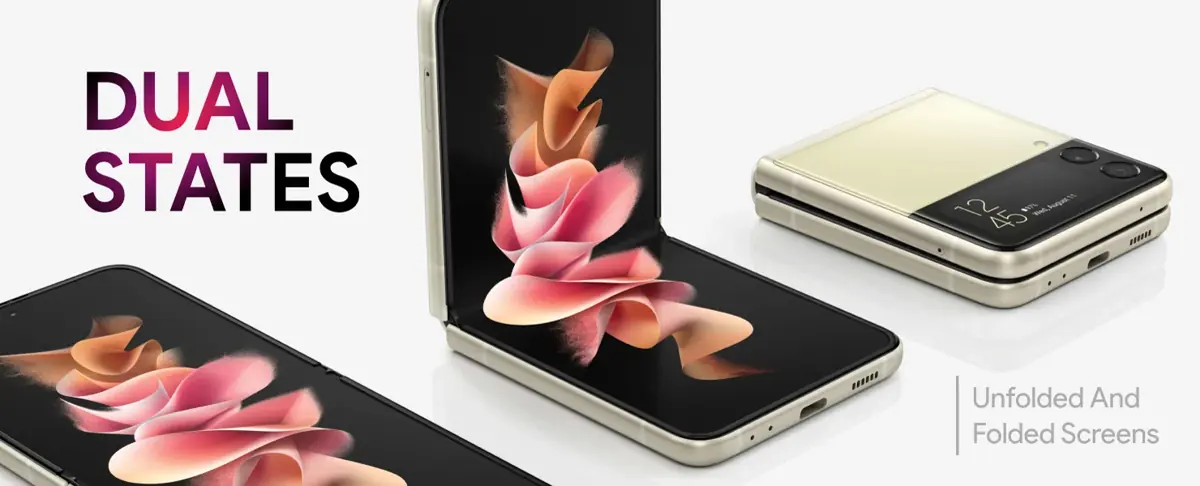
A. Dual States – Unfolded and Folded Screens:
Foldable smartphones encompass two pivotal states – unfolded (main display) and folded (cover display).
Unfolded State: This transformation yields a tablet-like experience, offering ample space for enriched interactions. The expanded screen real estate facilitates context enhancement, secondary actions, and enriched app experiences.
Folded State: In this mode, the device resembles a traditional smartphone, optimized for one-handed operation.
B. One or Two-Handed Design:
The shift between states significantly impacts user interactions. While conventional smartphones favour one-handed use, the unfolded state demands two-handed engagement. Design considerations should align critical UI and UX elements within thumb and finger reach.

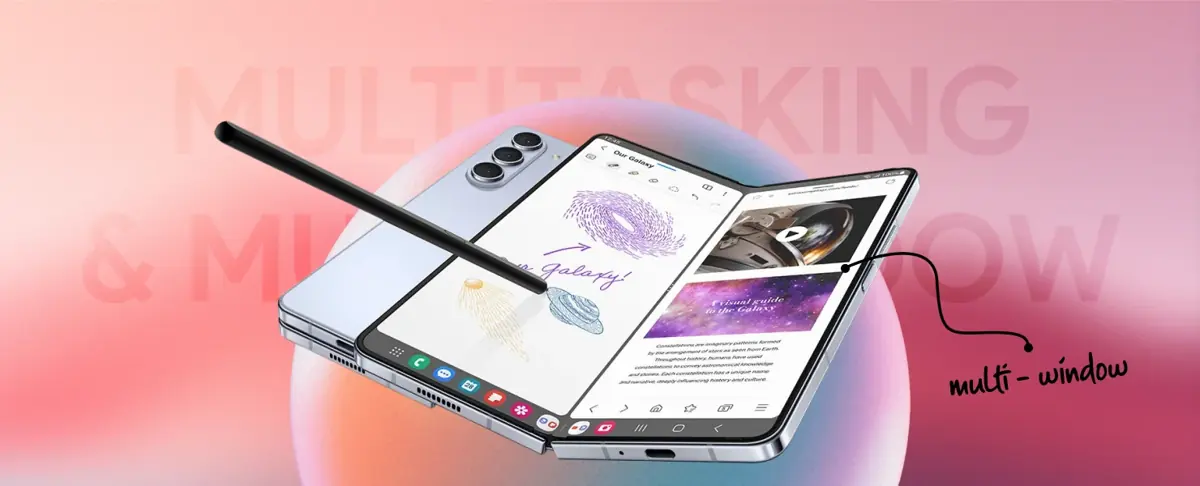
C. Multitasking and Multi-Window:
The generous screen space of foldable devices necessitates robust multitasking support. Designers must anticipate scenarios where multiple applications share the screen concurrently. Adapting to a multi-window environment ensures seamless user experience.
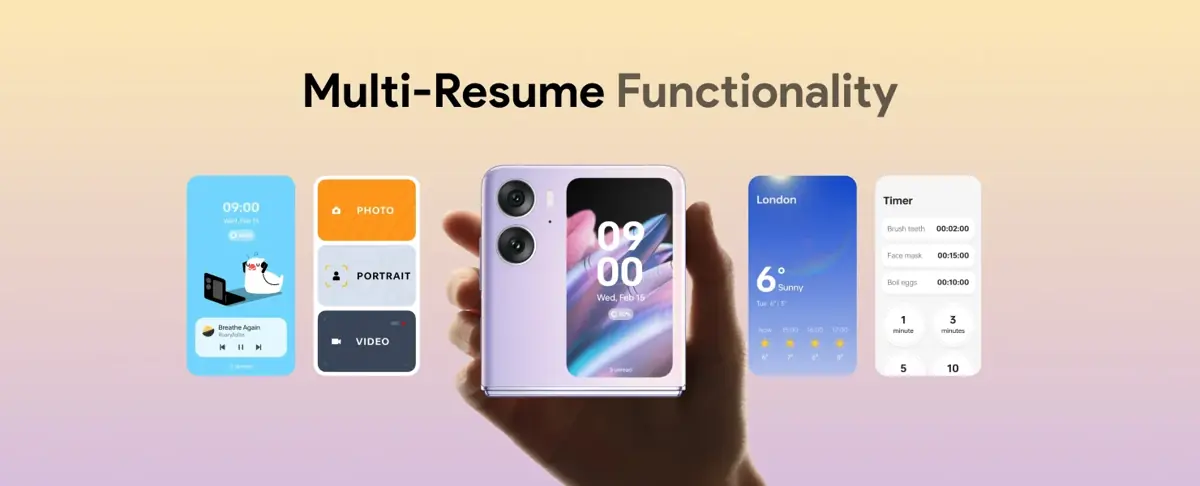
D. Multi-Resume Functionality:
Android 10 onwards introduced multi-resume, enhancing multitasking on foldable devices. Unlike prior versions, where background apps paused, multi-resume enables independent functioning in split-screen mode. Apps maintain their active status even when one is in the background.
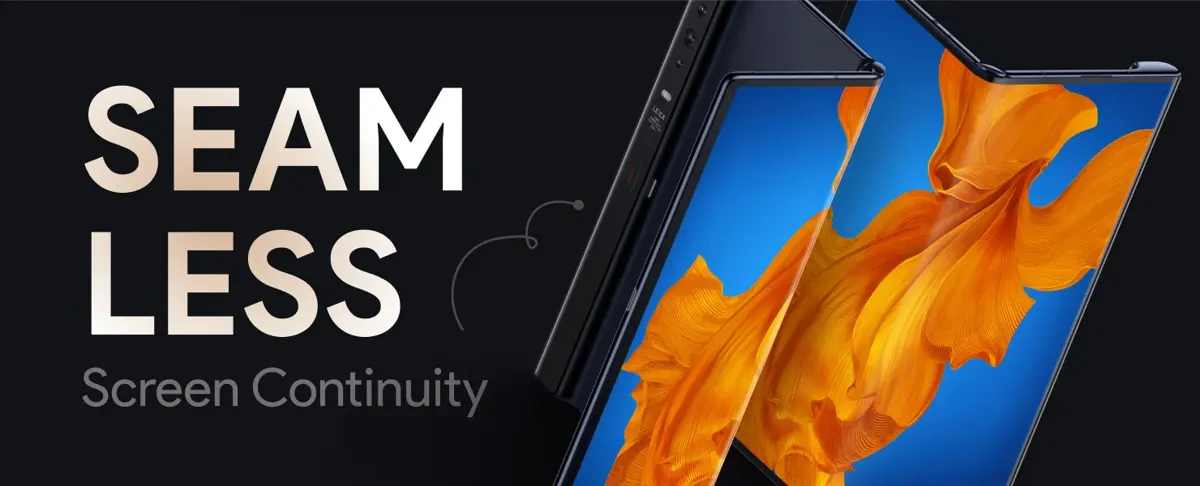
E. Seamless Screen Continuity:
User experience must transition effortlessly between folded and unfolded states. A consistent layout preserves app flow and minimizes layout changes, eliminating confusion during transitions.
By meticulously considering these factors, app designers can create engaging, user-centric experiences tailored to the unique capabilities of foldable devices.
What are the Key Considerations for Developing Apps for Foldable Devices?
Developing apps for foldable devices requires attention to dual states (unfolded and folded screens), accommodating one or two-handed design, robust multitasking, multi-resume functionality, and seamless screen continuity. These factors ensure optimized user experiences across various device configurations.
Having explored the intricacies of foldable phones and their dynamic utility, let’s delve into the essential aspects of building mobile apps for foldable devices. Here are the factors to keep in mind while developing a version of your app for foldable devices.
1. Prioritize App Quality:
Foldable smartphones attract a diverse user base, ranging from business owners to gamers and tech enthusiasts. Ensuring your app’s quality is paramount to retaining and converting your targeted audience into loyal users. Any compromise in quality could lead to uninstallation. Your app should exhibit smooth performance, adaptability across screen sizes, and seamless multitasking support.
2. Thorough Testing:
Apps designed for two screen sizes necessitate rigorous testing. Identify any glitches that hinder seamless user experience and address these issues to ensure flawless multi-window functionality. Consistency in user interface (UI) and performance across both folded and unfolded states is essential, along with precise rotational orientation.
3. User Feedback Collection:
Given the novelty of foldable technology, hidden errors and bugs may persist. Therefore, soliciting extensive user feedback during foldable app development is invaluable. Users can provide candid insights, enabling you to identify areas for improvement and refine your app accordingly.
Optimize Your App for the Future! Embrace Foldable Technology Now.
Get the weekly updates on the newest brand stories, business models and technology right in your inbox.