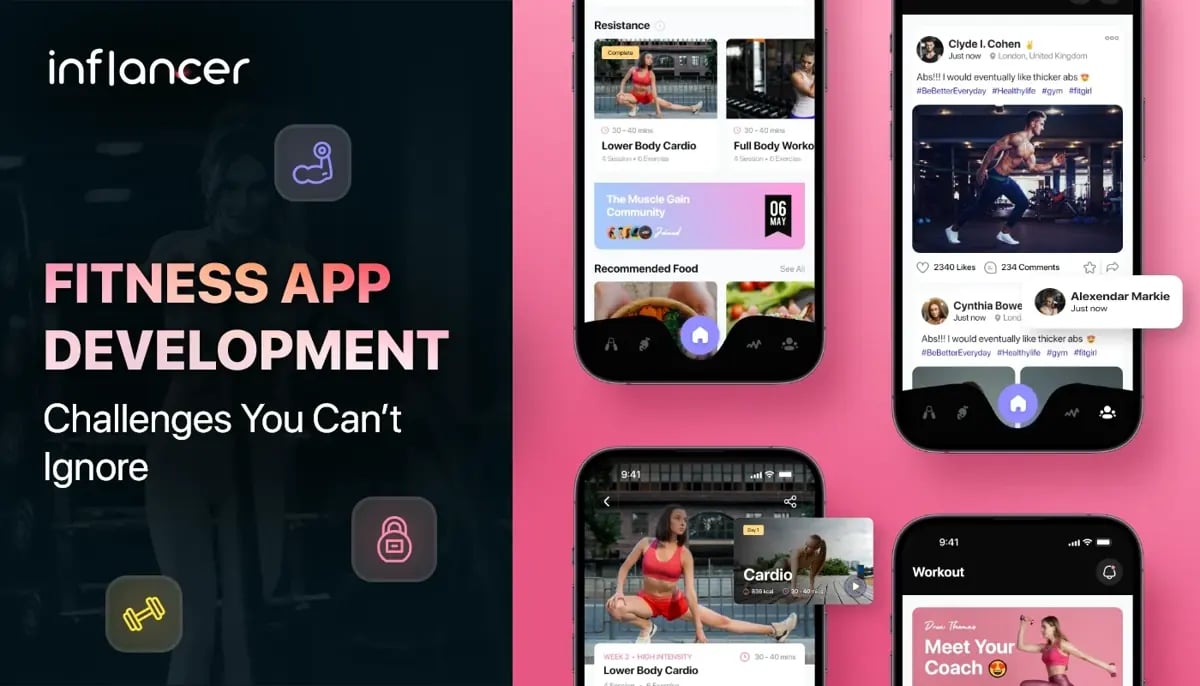
Ever thought creating a fitness app would be as simple as tracking steps and logging meals? Not quite. While the concept may seem simple on the surface, developing a truly successful fitness app involves far more than tracking steps or suggesting workouts. Behind the curtain are complex algorithms, real-time integrations, data privacy regulations, and a need for seamless user experiences.
Users expect more nowadays. They want personalization, smart AI recommendations, real-time feedback, and secure data handling, all wrapped in an intuitive, engaging interface. In other words, they’re looking for a digital health companion, not just another fitness tracker counting calories or offering workout videos anymore. For businesses entering the digital fitness space, understanding the hidden challenges is crucial to pace up and develop an extra-ordinary fitness app. From technical hurdles to user retention strategies, every step matters.
In this blog, we’ll explore the major fitness mobile app development challenges, and more importantly, how you can overcome them to build a product that stands out.
Why Are Fitness Apps So Popular Today?
Whether someone wants to lose weight, gain strength or just stay active, training apps become their partner to stay responsible and motivated. Now, people are shifting to digital health and wellness. They are approaching mobile solutions to take control of their health. Digital wellness provides flexibility to exercise anywhere, at any time – without the limitations of traditional training environments. This freedom, combined with a growing interest in tracking health measurements, promotes explosive demand for training apps.
The best part? Gamification, convenience and personalization are all at its peak! Fitness apps now deliver more than training plans. They offer goal setting tools, performance tracking, virtual societies and coaching in real-time-which is required of the individual user. This mix of ease, dedication and adaptation keeps users back for more, making training apps an integral part of their daily routine.
Your Users Don’t Just Need Another App—They Need A Fitness Solution That Fits!
From hyper-personalization to scalable architecture, let’s approach Inflancer to build something that stands out in a crowded market. Think big, build smart. Build smart.
Major Development Challenges in a Fitness App
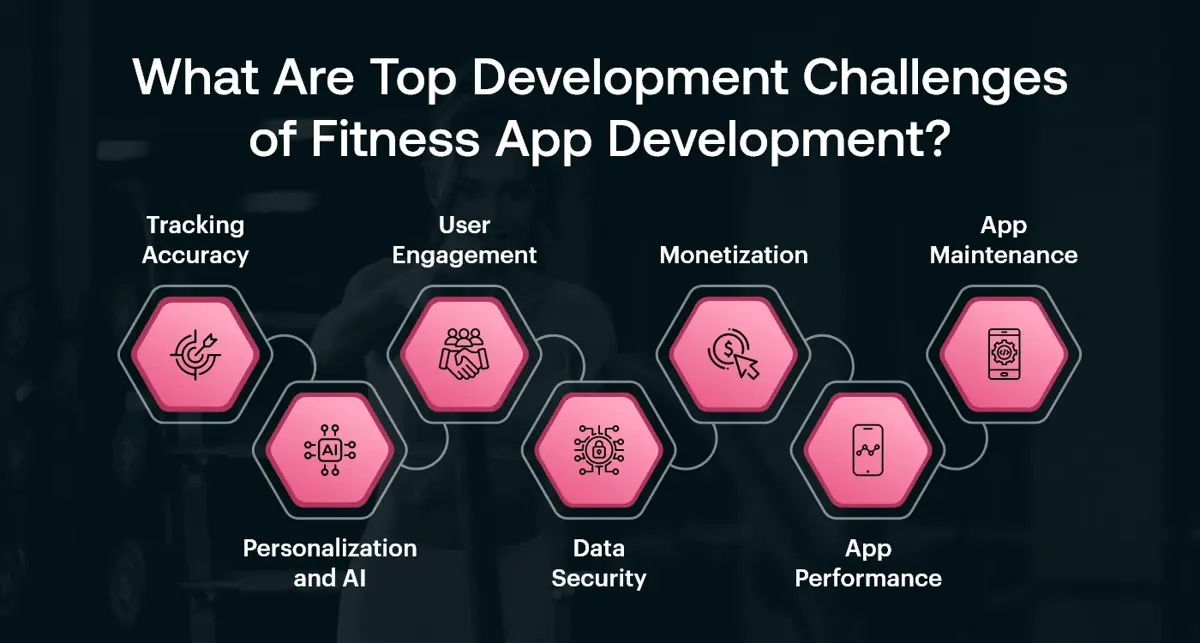
Explore the complex issues while developing fitness apps and make strategic planning and user-centric design for a successful and impactful health management application.
1. Ensuring Accurate Activity Tracking
- Sensors and Wearables Syncing
Health apps need seamless integration with many sensors and wearable gadgets. These apps operate with different protocols, APIs and data formats — syncing them in real time and making sure the data is accurate is a hard challenge and requires deep technical integration expertise. - Data Latency and Real-Time Processing
When users exercise, they expect immediate feedback—whether it’s heart rate or step count. Processing this data without lag requires optimized code, real-time data streaming, and low-latency cloud infrastructure. - GPS and Battery Drain Issues
Outdoor fitness tracking uses GPS, which tends to be power-hungry. Developers will need to streamline GPS use to avoid draining the battery yet still provide accuracy – particularly when signal strength is poor or lost.
2. Building Smart Personalization & AI Recommendations
- Diverse User Data Collection
Customized workouts are only as good as the data provided by users. This of course comprises age, goals, inclinations, constraints and behavioral patterns. Ethical, secure, and precise data collection is fundamental for great personalization. - Dynamic Workout and Diet Plans
Users expect programs that adapt over time. Smart workout and fitness apps use AI to evaluate performance, progress, preferences, and save money for fitness enthusiasts—dynamically adjusting routines and diet suggestions for optimal outcomes. - Inclusive Fitness Design
Not every user is a gym enthusiast. The app must cater to beginners, seniors, and people with special fitness needs. Developing adaptive custom solutions for the gym and inclusive algorithms ensures that every user feels seen and supported.
3. Designing for Engagement & Motivation
- Gamification and Social Features Incorporation
Interactive elements, such as goals, leaderboards and community challenges, help keep users motivated. But it can be too much and become overwhelming. The trick is to create features that can boost motivation but do not make fitness feel like a chore. - Push Notifications on Time
Push notifications should be timely, relevant, and encouraging to fitness freaks—not spammy. A data-driven notification strategy can improve user engagement while reducing churn caused by notification fatigue. - Progress Tracking & Visual Dashboards
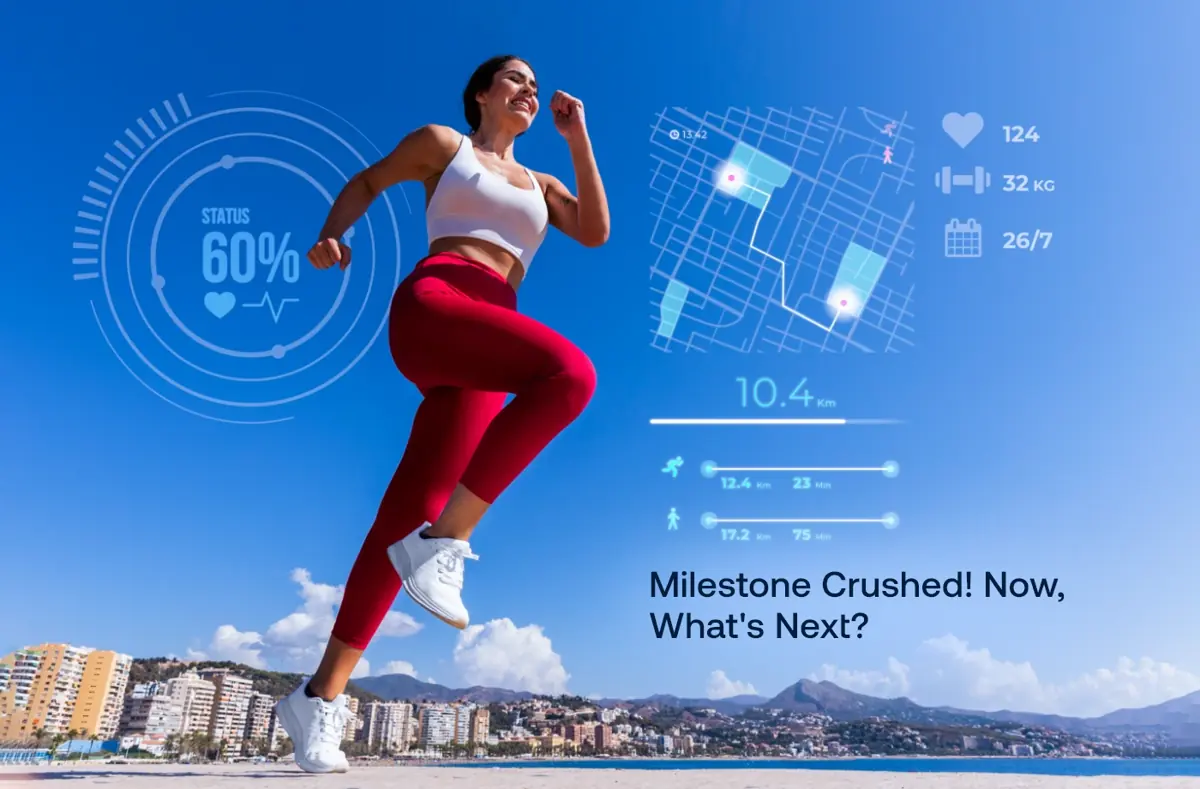
Visual feedback builds momentum. Dashboards showing calories burned, milestones reached, or weekly trends make progress tangible. These need to be designed for clarity, interactivity, and accessibility.
4. Managing Sensitive Health Data Securely
- HIPAA, GDPR, and Regulatory Compliance
Handling health data comes with legal responsibilities. Compliance with regional laws like HIPAA and GDPR ensures user trust, reduces legal risk, and protects sensitive personal information. - End-to-End Encryption & Role-Based Access
Health Data must be protected at every stage—from transmission to storage. Encryption, secure authentication, and role-based access controls safeguard user data from unauthorized access and breaches. - Safe Third-Party Integrations
Integrating with third-party APIs can enrich features but also introduce risks in the fitness apps. Fitness app developers must assess and secure every integration point to prevent data leaks or functionality issues.
5. Implementing Monetization Without Ruining UX
- Freemium vs Subscription Models
Offering a free tier while monetizing premium features requires balance. Users should feel value in the free version while being tempted by advanced features that justify an upgrade. - In-App Purchases & Premium Features
From personalized coaching to exclusive content, in-app purchases must align with user needs. Clearly communicating the benefits enhances conversion and maintains a smooth user experience. - Balancing Ads and Clean Interfaces
Ads can fund your app but clutter your interface. Native ads, smart placements, and ad-free tiers can help maintain a clean look without sacrificing revenue.
6. Cross-platform App Performance
- Native vs Cross-Platform Decisions
Choosing between native and cross-platform frameworks like Flutter and React Native impacts development speed and app performance. Native apps offer smoother performance, while cross-platform frameworks are faster to build and maintain.
| S No | Feature | Native Apps | Cross-Platform Apps |
|---|---|---|---|
| 1 | Performance | Optimal, direct hardware access | Potentially lower, abstraction layer |
| 2 | Development | Platform-specific languages (Swift, Kotlin) | Single codebase (React Native, Flutter) |
| 3 | UI/UX | Native look and feel | Can vary, may not be fully native |
| 4 | Development Time | Longer, separate codebases | Faster, single codebase |
| 5 | Cost | Higher, separate development teams | Lower, shared codebase |
- Offline Support & Real-Time Syncing
Offline functionality is essential for users who train in remote areas. Real-time syncing ensures that workouts completed offline update seamlessly once a connection is restored. - Video/Audio Streaming Challenges
High-quality workout tutorials rely on smooth video/audio streaming. Developers must optimize loading times, integrate CDNs, and handle varying bandwidth conditions for uninterrupted user experience.
7. Continuous Maintenance & Version Upgrades
- Dealing with OS Updates & API Deprecations
New operating system versions or deprecated APIs can break functionality. Continuous testing and proactive updates are essential to ensure smooth operation across all devices. - Regular Feature Enhancements to Stay Competitive
The fitness app space is growing fast. Users now expect smarter AI, fresh features, and more personalized experiences. To keep them engaged, constant innovation isn’t optional—it’s how you stay relevant and grow.
With over 80% of users abandoning fitness apps within the first 3 days due to poor experience—getting it right from day one is critical.
At Inflancer, we bring end-to-end fitness app development under one roof—strategy, design, engineering, and compliance—so you can focus on growing your business, not chasing bugs or breaking features.
Challenges Unique to Niche Fitness Segments
As per specific fitness segments, there are challenges too. Have a look at these below-
Meditation Apps
Meditation apps require curated sound libraries, calming visuals, and seamless transitions. The user experience must be immersive, distraction-free, and compatible with wearables for guided breathing or focus tracking. It’s also important to offer mood-based sessions, reminders for daily mindfulness, and offline access so users can stay centered even without internet. A soothing, minimalistic design helps reduce stress and promotes relaxation.
- Calorie Counting Apps
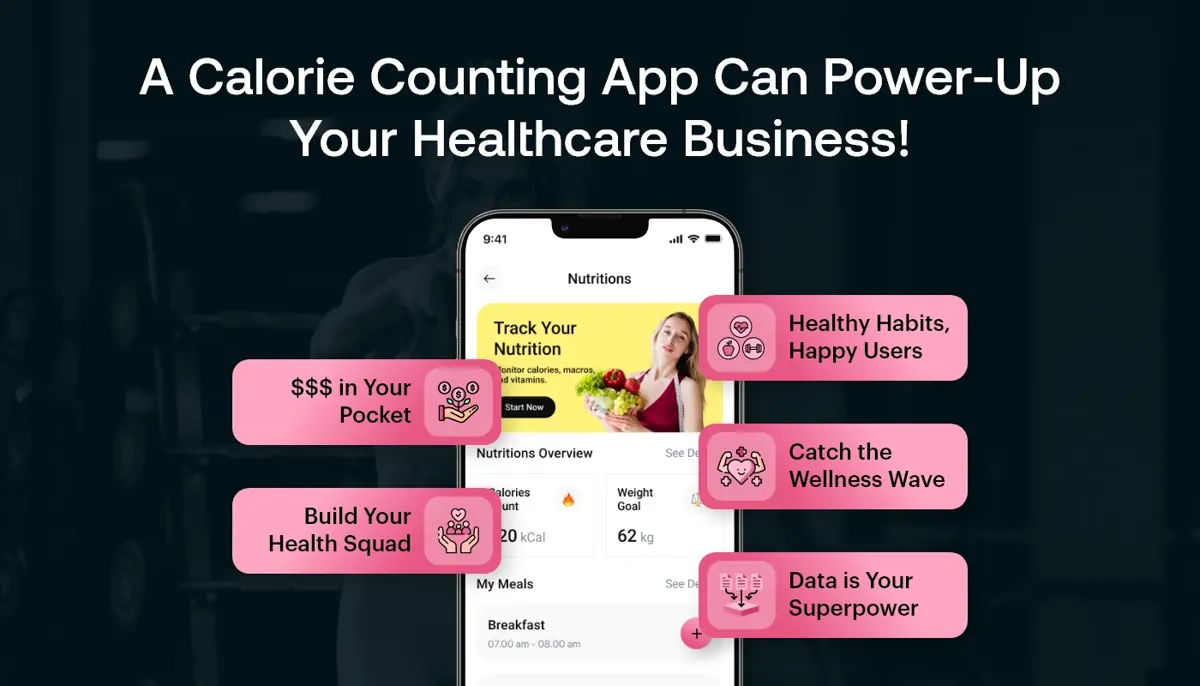
Calorie counting apps help users monitor their daily food intake by logging meals and tracking nutritional information. These apps often feature barcode scanners, food databases, and AI-powered suggestions to simplify tracking. With personalized goals, real-time insights, and integration with wearables, they support users in weight management, healthier eating, and fitness journeys. Their growing popularity lies in promoting mindful consumption and making diet tracking accessible and engaging for all types of users. Women-Focused Fitness or Pregnancy Apps
Specialized content, hormonal-cycle syncing, and pre/post-natal plans are vital. The UX must be empathetic, informative, and aligned with each stage of a woman’s fitness journey. Features like mood tracking, pelvic floor exercises, breastfeeding support, and safe post-birth workouts can build trust. Offering community support and expert tips makes users feel heard, understood, and empowered.
Physio/Virtual AI Therapist Apps
The physio apps or virtual AI therapist apps must follow clinical guidelines and offer personalized plans that support rehabilitation. They may also need secure video calls, therapist notes, and performance tracking tailored for recovery. Visual exercise demonstrations, pain tracking, and daily reminders can make it easier for users to stay on track. Including progress reports helps users and therapists monitor improvements and adjust care as needed.
Read More: Top Reasons Why Healthcare Providers Need Mobile Apps Today
How to Tackle These Challenges Efficiently
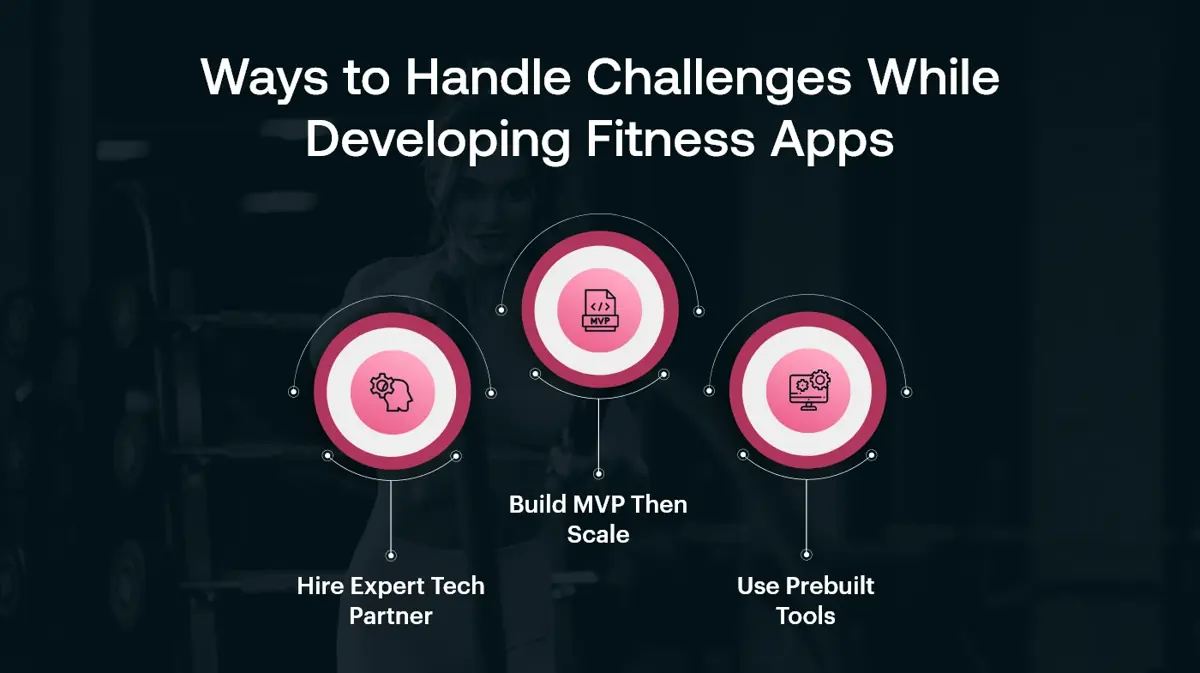
There are different ways to address these challenges and make an app that fitness enthusiasts love. Here are a few important ones, have a look at them-
Hire a Tech Partner with Domain Expertise
Working with a tech partner like Inflancer, experienced in fitness app development, can cut down time, costs, and errors—ensuring the right architecture from the start.
Focus on MVP First, Scale Later
Don’t try to do everything on day one. Start a minimum viable product (MVP), collect feedback from users and then scale with confidence and clarity. This iterative approach allows for flexible adjustments, and ensures that the final product meets market requirements and avoids costly over -construction.
Take Advantage of Pre-Built APIs, Frames, SDK
Use ready -made tools for integrations such as payments, video and alerts. This accelerates development and ensures scalability and safety from the beginning. Using these resources reduces the development time, minimizes potential errors and lets developers focus on core app functionality.
Increase Activity Tracking Accuracy
Fitness apps need precise data. Take advantage of sensor analysis, with regard to user height, step and activity. Monitor the app’s performance and feedback from the user. Defined algorithms to fix discrepancies from updates. Accurate tracking, such as pelotons, increases the user’s adoption and overcomes developmental obstacles.
Strict Testing and Optimization
Thorough testing ensure a successful training app. Solve problems with errors and ease of use before launch. Check features if they are working across devices. Optimized apps are intuitive and fun. For development, experts work together to navigate these challenges.
Read More: Top Development Trends in Healthcare Mobile Applications for 2025
Why Inflancer for Fitness App Development
At Inflancer, we specialize in building dynamic, engaging, and scalable fitness apps as well as recognize web development company in UK. From advanced AI integration to robust real-time tracking and secure data management, we bring full-stack expertise that transforms your fitness app vision into a powerful, user-loved reality. Our domain-specific knowledge ensures your app isn’t just functional—it’s future-ready.
Whether you’re building for general fitness, yoga, therapy, or niche wellness communities, we bring unmatched technical precision and human-first thinking to the table. Let’s help you build a results-driven fitness trainer app today!
Conclusion
Building a fitness app isn’t just about coding workouts—it’s about solving real human problems through innovation, empathy, and precision. Each challenge—from data syncing to privacy compliance—requires thoughtful engineering and smart strategy. But with the right partner, your app can go the distance.
Frequently Asked Questions
Get the weekly updates on the newest brand stories, business models and technology right in your inbox.